
Think You May Require A Revision Rhinoplasty?
Revision rhinoplasty or secondary rhinoplasty are the terms used for the operation that attempts to correct problems that remain or were caused by a previous nose operation. Patients turn to this process if they are unsatisfied with their original operation or just want further improvement or refinement of their nose.
The principles of revision rhinoplasty are very much the same as those in primary rhinoplasty (nose job). To effectively devise a safe plan that satisfies the patient to the greatest degree possible, it is important to understand the patient’s aesthetic and functional goals in relation to nasal balance and function, as well as properly assess the deformities of cartilage and bone, nose support and nasal reshaping needs and possibilities.
In practice, secondary rhinoplasty is much more difficult. The nasal septum, which is the prime building material for nasal surgery, has often been partially or completely removed. The cartilage and bone that create nasal shape have already been altered and are scarred or deformed and the skin has become thicker and less pliable. The airway is often significantly impaired.
Most importantly, because the patient has already gone through one or more prior disappointing experiences, spent money for operations that didn’t achieve what he or she wanted (or has made them worse), and now needs to start all over again, the patient and surgeon must build trust that stems from clearly-defined, realistic goals and expectations.
How A Revision Rhinoplasty Is Performed
Often there are several possible surgical solutions, each with a different outcome and some which are more complicated than others. In Canada, Dr. Gantous has pioneered and developed the process using rib cartilage for the reconstruction and improvement of noses.
Few surgeons master this procedure because of its complexity and unpredictability. Dr. Gantous’ thorough understanding of the nasal anatomy and physiology, and his ability to expertly apply a wide range of surgical techniques, has made him a leader in this field.
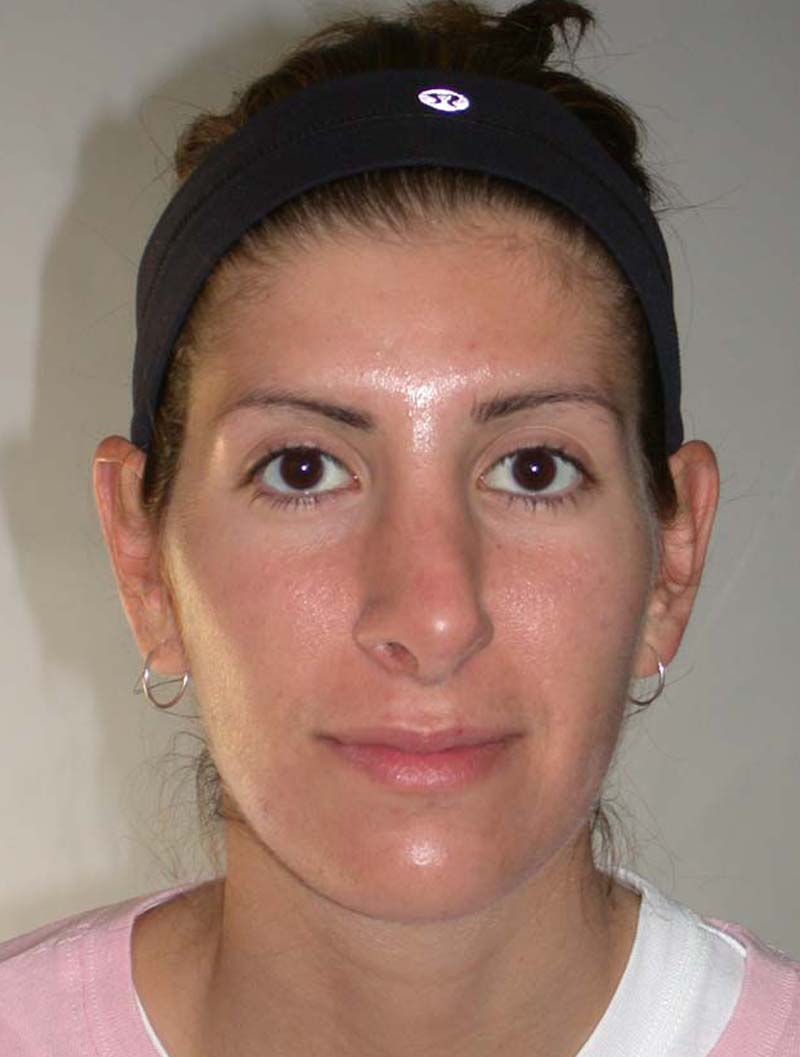
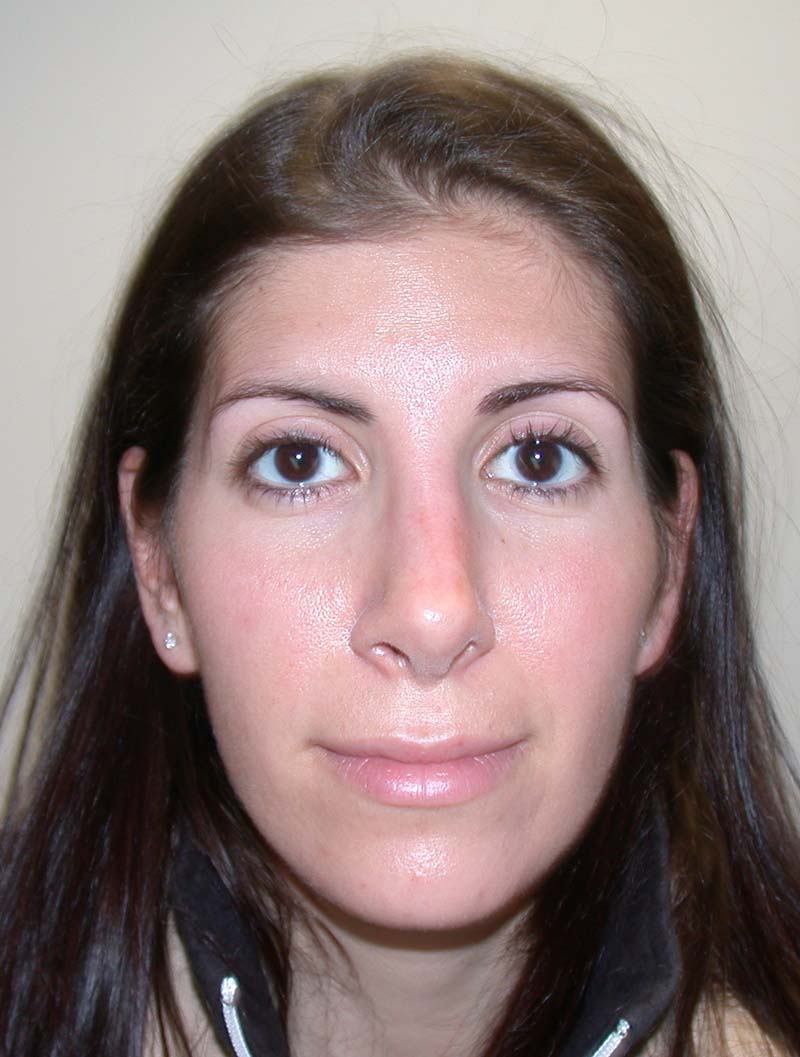
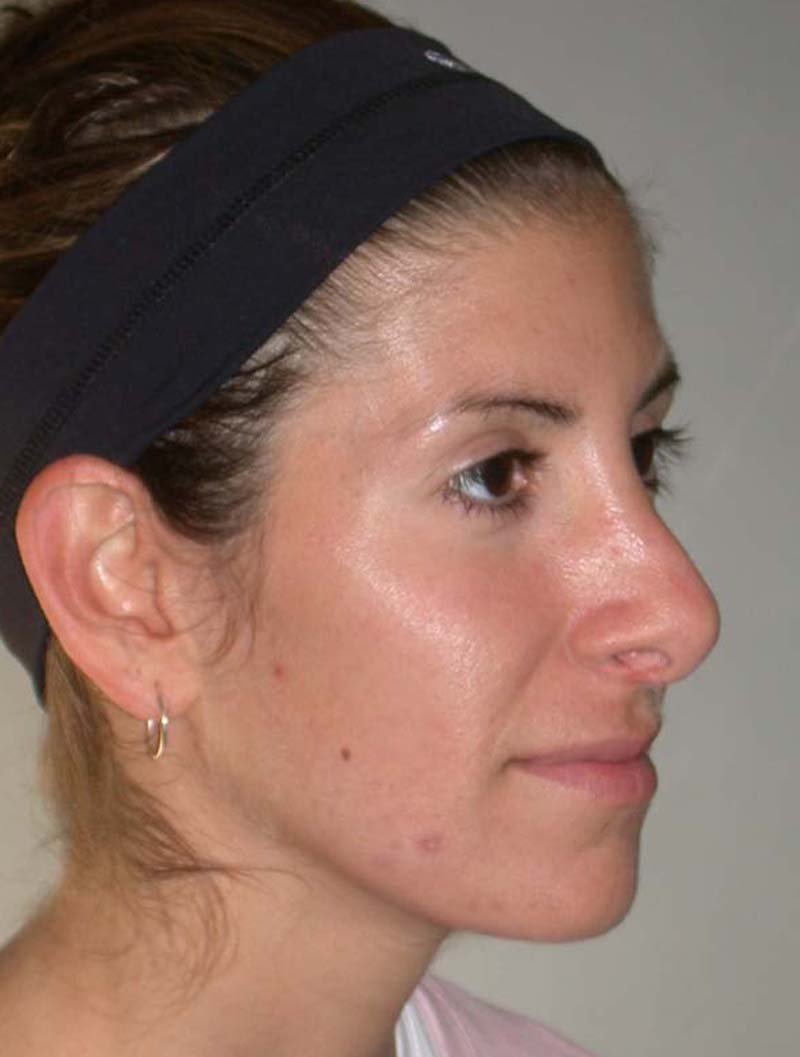
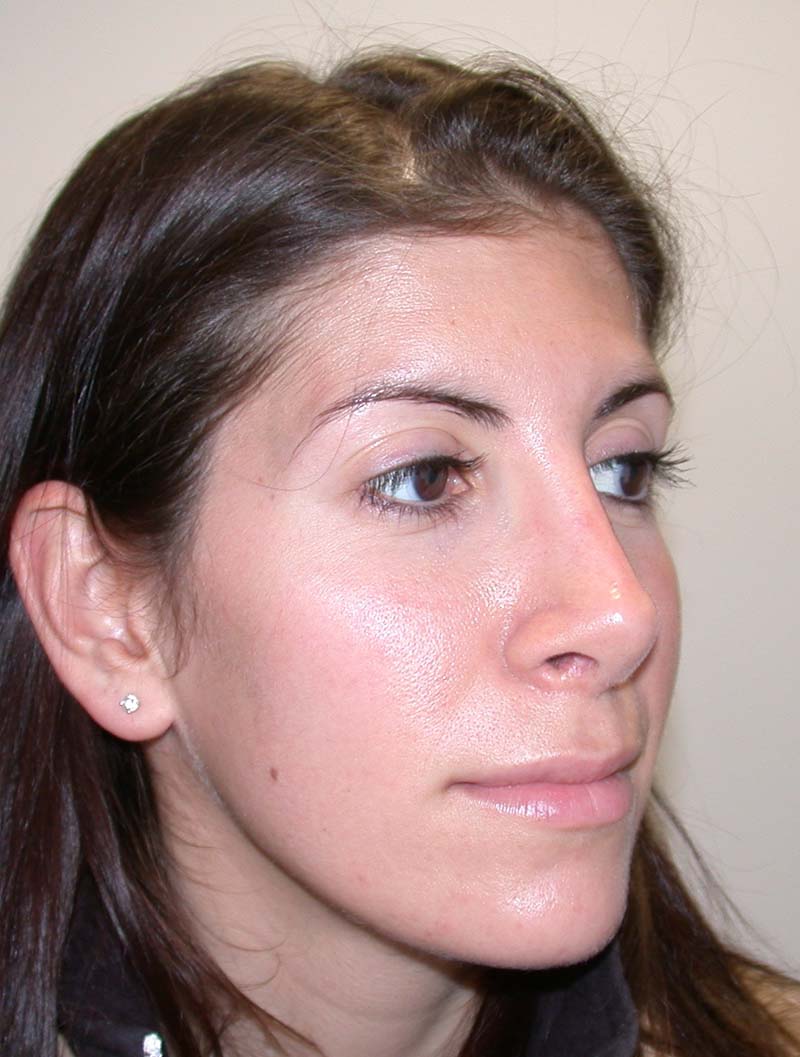
Why Choose Dr. Gantous
Dr. Gantous is well known for his ability to take on difficult reconstructive cases where the nose has been damaged by previous surgery, trauma or disease. He has published several scholarly papers on this subject and takes pride in helping the patient overcome these obstacles.
A lot of people undergo primary rhinoplasty in order to correct superficial deformities in their nose and to improve their physical appearance, which in turn can help to boost their self-esteem. Unfortunately in some cases, follow-up medical treatments or operations are required to correct issues that might arise after or be a direct result of a poorly executed primary rhinoplasty procedure. Revision rhinoplasty, also known as secondary rhinoplasty, is the solution to this problem and it’s become one of the most common types of facial plastic surgery performed in Canada.
If you’ve found yourself the victim of a botched nose job, then it might be time to start looking for a new rhinoplasty surgeon in the GTA. Dr. Andres Gantous is one of the leading revision rhinoplasty surgeons in Toronto and throughout Canada.
Rhinoplasty FAQ
Dr. Gantous emphasizes that revision rhinoplasty is a different operation from primary rhinoplasty.
The anatomy has already been altered by previous surgery. Scar tissue may be present, cartilage may have been removed or weakened, and the structural support of the nose may have changed. Revision patients may also have functional concerns, including significant difficulty breathing.
Expectations therefore need to be different as well. Revision surgery carries a greater possibility that additional surgery could eventually be required, even when performed by an experienced revision rhinoplasty surgeon.
No. Dr. Gantous believes this is one of the most important things for revision rhinoplasty patients to understand.
During the consultation, he evaluates what is bothering the patient, what the patient expects another operation to accomplish, and whether those expectations are surgically realistic.
Some concerns can be significantly improved, while others cannot be completely corrected. If Dr. Gantous believes a patient’s expectations cannot realistically be met, he may recommend against another operation.
Dr. Gantous tries to address both nasal function and appearance whenever possible, particularly because revision patients can have significant breathing problems following previous surgery.
There are situations, however, in which functional and aesthetic goals conflict. For example, a patient whose nose has become too small or has collapsed may have difficulty breathing while also wanting the nose made even smaller.
In those cases, restoring proper breathing may limit what can safely be accomplished aesthetically. Dr. Gantous discusses those tradeoffs carefully so the patient understands what can realistically be achieved before deciding whether to proceed.
Dr. Gantous sees many revision and reconstructive rhinoplasty patients who have previously been told that nothing further can be done.
That does not automatically mean another operation is possible. Dr. Gantous first needs to understand the patient’s concerns, examine the nose, assess the effects of previous surgery, and determine what can realistically be improved.
For a patient whose previous rhinoplasty was performed elsewhere, Dr. Gantous generally recommends waiting at least 12 months before undergoing revision surgery.
This allows the primary rhinoplasty enough time to heal and gives much of the swelling and scar tissue an opportunity to settle. It also allows Dr. Gantous to better evaluate the result of the original operation.
There can be exceptions when Dr. Gantous performed the original surgery himself and knows exactly what was done, particularly when the issue requiring revision is relatively minor.
Revision rhinoplasty generally takes longer to heal than primary rhinoplasty.
Dr. Gantous advises patients that it may take as long as three years before the final result is fully apparent. This does not mean the nose will look poor for three years. Rather, swelling, scar tissue, and previously operated tissues can continue to change over an extended period.
For this reason, patience is particularly important after revision surgery. Dr. Gantous stresses that the healing process cannot be hurried and that patients need to allow the nose adequate time to change and settle.